

Franchise vs Starting Your Own Business UK: How to Choose
Buying a franchise or building your own thing? The choice shapes your risk, your funding, and your daily life. Here's how to decide.
Choosing between buying a franchise and starting your own independent business in the UK is a major financial and lifestyle decision. The choice shapes your risk level, funding options, profitability timeline, and day-to-day control. Buying a franchise usually means higher upfront costs and ongoing fees, but you get a proven model, brand recognition, training, and a much lower failure rate. Starting your own business gives you full control and all the profits - yet brings tougher access to finance, slower brand building, and far higher odds of failure.
Key Takeaways
- Franchises in the UK fail far less often than independents. BFA/NatWest research reports franchise closure rates under 1%. Independent businesses can see up to half close within five years.
- Brand recognition gives franchises a faster start. Customers already trust known names - independents must spend time and money proving themselves.
- Money works differently for each path. Franchises often cost more upfront but banks lend more readily. Independents may look cheaper but hidden costs can bite.
- Franchising suits structure-lovers; independents suit creative freedom. Match the model to your personality more than to current trends.
The Most Striking Stat in the Debate
Before any other discussion, the failure-rate gap is the number that turns most undecided buyers toward franchising.
A proven model, ongoing support, and an established brand reduce many early-stage problems. No business is risk-free, but the gap is real.
Core Differences Between the Two Paths
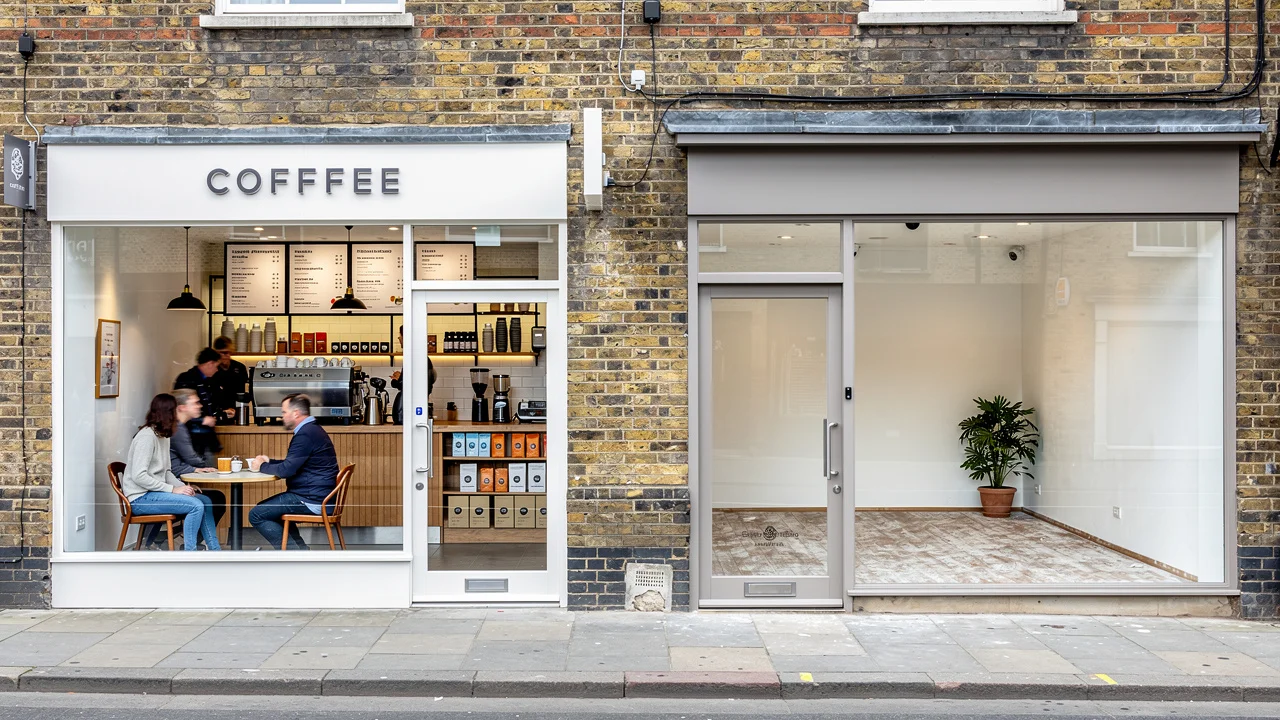
A franchise gives you the right to trade under an existing brand and follow its system. An independent business is built from the ground up with your own rules. Both might sit on the same high street - but the path to opening their doors looks very different.
Franchise journey
Independent journey
The trade-off at the heart of the decision: franchises swap some freedom and profit share for structure, training, and lower odds of failure. Independents swap that support for full autonomy - exciting but exposing you to more risk.
Startup Costs, Funding, and Financial Risk

These three factors look very different across the two paths. The higher ticket price of a franchise can actually open more doors than it closes - banks see established brands as safer bets and lend more readily.
| Factor | Franchise | Independent |
|---|---|---|
| Upfront costs | Higher (fee + setup) | Often lower at first, less predictable overall |
| Bank lending support | Strong - many fund up to 50% of investment | Difficult - concept is unproven |
| Profit retention | Pay ongoing royalties & marketing fees | Keep 100% of profits |
| Failure rate | Under 1% per year (BFA/NatWest) | Up to 50% close within 5 years |
| Time to break even | Often 6-18 months for a strong brand | Variable - months to years |
| Government Start Up Loan | Up to £25k per founder, alongside bank lending | Up to £25k per founder, often the only option |
"Up to 50% of independent UK start-ups fail within five years. Franchised businesses? Less than 1%." - BFA / NatWest Franchise Survey
Training, Support, and Brand Recognition

Most strong franchisors invest heavily in training before launch. That covers operations, software, health and safety, and sector rules. Support continues after launch - head office teams often handle or guide payroll, HR, IT, and invoicing, plus run national marketing.
🎓 Pre-launch training
1-4 weeks at head office or established outlet. Covers ops, sales, customer service, software, sector rules.
🚀 Launch support
Field staff onsite during opening period - fixes early snags before they grow into big problems.
📞 Ongoing field visits
Business Development Manager reviews figures, listens, suggests improvement actions. Regular cadence.
📣 National marketing
Central campaigns with Google, Meta, radio. Local outlets benefit from work they couldn't afford alone.
Independent owners must learn these skills themselves or pay separate consultants - adding both time and cost. Brand recognition is another big difference. A new Domino's, Subway, or Specsavers store benefits from instant trust. Independent shops must build that trust from scratch through word of mouth, local PR, and paid ads - that can take years and shapes how fast regular customers appear.
By contrast, independent founders gain full creative freedom. Logo, shop design, product range, tone of voice - all yours. Spot a new trend? Change the menu tomorrow without asking anyone.
Real-World Personas: Who Fits Each Model?

Mid-career HR manager
Strong leadership and compliance skills, but knows little about CQC rules or visiting care work. Wants a tested model with built-in regulatory training.
→ Domiciliary care franchiseTrained chef with bold concept
Wants full control over menus, suppliers, branding. Happy to test ideas at local markets. Fixed franchise menus would feel like a cage.
→ Independent businessCouple with capital, limited time
Want to oversee teams rather than deliver service. Hire managers, run multi-unit models. Need a system that scales repeatably.
→ Management franchiseThe Decision Compass
Use this as a quick gut-check. Lean toward whichever quadrant feels closest to your daily reality.
Franchise. Tested model + training + brand recognition do most of the heavy lifting in early years.
Independent. Total freedom over product, branding, pivots. Higher risk is the price.
Independent. Building from nothing is the joy - frameworks would feel like a cage.
Franchise. Use someone else's expensive mistakes so you don't have to repeat them.
"The right business model is not the most popular one. It is the one that fits your risk appetite, your goals, and your life."
Final Verdict
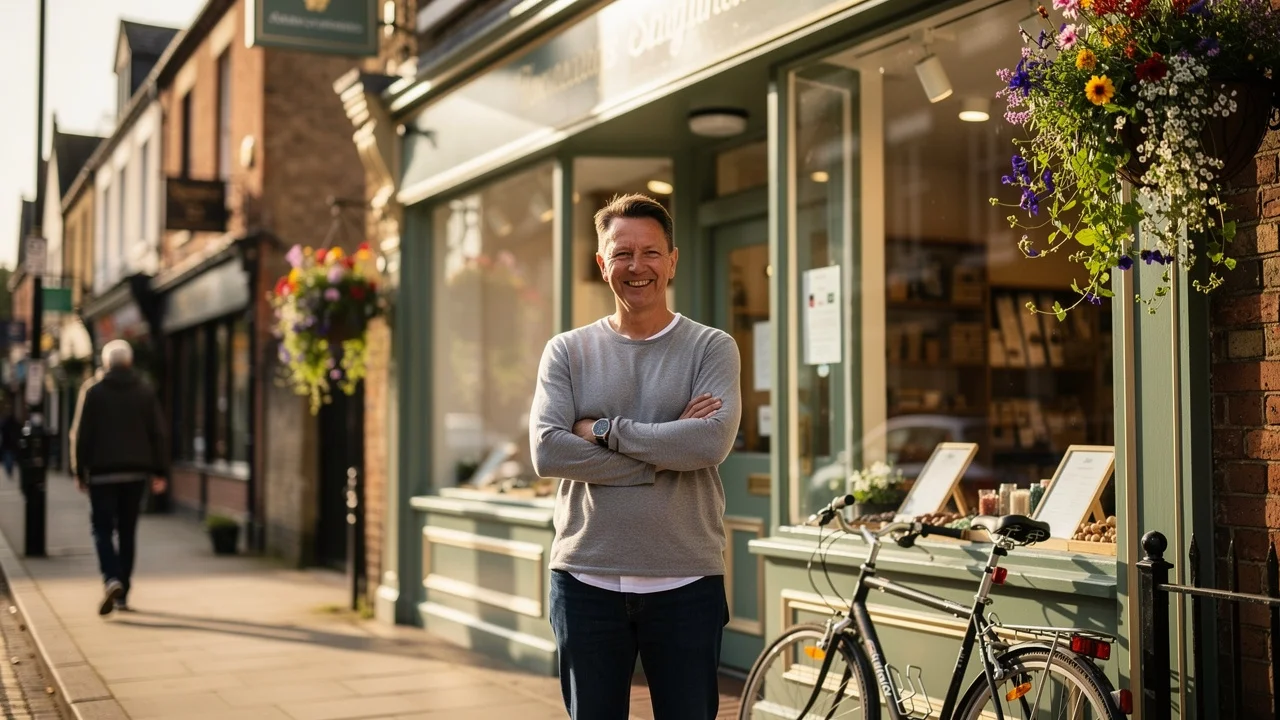
Both paths can lead to rewarding UK businesses. In short:
🏪 Franchise
Structure, support, lower risk - but less freedom and ongoing fees. Banks lend more readily; brand recognition speeds early sales; training fills the experience gap.
🚀 Independent
Freedom, full profits - but higher risk and more responsibility. You design everything; you also chase every problem alone. Suits creative founders with appetite for uncertainty.
The best path depends on whether you value structure and support more than total freedom. Franchise Hunt gives you a safe starting point - explore trusted UK franchises by sector and budget, compare them side by side, then enquire directly through a simple guided process.
Take your time, run the numbers, and choose the model you're most likely to stick with when things get tough.