







What Is a Franchise? Beginner's Guide to Franchising
In business for yourself, but not by yourself - here's how the franchise model works, the main types, and whether it might fit you.
Imagine opening a café where the name, menu, branding, and marketing plan are already tested and ready to use. That's a good starting point for understanding what a franchise is. Put simply, a franchise is a business arrangement where someone buys the right to run their own branch of an existing brand.
Key Takeaways
- A franchise is a tested model under a known brand. The franchisor owns the system; the franchisee pays to run a local outlet using it.
- Several formats exist. Business format, management, job (man-in-a-van), and product distribution - each suiting different skills, budgets, and lifestyles.
- The biggest benefit is structure. Brand recognition, training, group buying power, and proven systems reduce the trial-and-error of starting from scratch.
- The biggest trade-off is freedom. You follow someone else's rules, pay ongoing royalties on turnover, and your fortunes are linked to the wider brand.
How the Franchise Model Works

At the heart of franchising is a simple idea: a company builds a business that works well, then allows others to copy it for a fee. The aim is to let someone run their own outlet while keeping the brand consistent across the whole network.
Franchisor
Owns the brand, trademarks, operating system, supply chains, and central marketing.
Franchisee
Pays to operate one (or more) local outlets using the brand. Owns the unit, hires the team.
The franchisor designs and protects the brand, writes operating manuals, sets quality standards, arranges supply chains, and plans national marketing. They also provide initial training and ongoing guidance. Income comes from the initial fee and regular payments from each franchisee.
The franchisee sets up and owns a single local unit (or sometimes several). They invest their own money, sign a franchise agreement, and handle daily tasks - hiring staff, looking after customers, and local marketing. They're in business for themselves, but not by themselves.
The franchise agreement is the legal contract that explains this relationship. It covers the term length, territory size, support provided, standards required, and fees due. Because it's a long-term commitment, it's wise to ask a solicitor who understands franchising to review it before signing.
| Fee Type | What it covers |
|---|---|
| Initial franchise fee | One-off payment for the right to use the brand and system, usually including initial training and launch support. |
| Setup costs | Premises, fit-out, vehicles, equipment, first stock, plus legal and accounting fees. |
| Royalty / management fee | Regular payment, often a % of turnover, funding ongoing support and brand development. |
| Marketing levy | Regular contribution to the central advertising fund supporting the whole network. |
When browsing the Franchise Hunt directory, each profile sets out these cost types clearly so a beginner can compare options confidently.
Common Types of Franchise Models
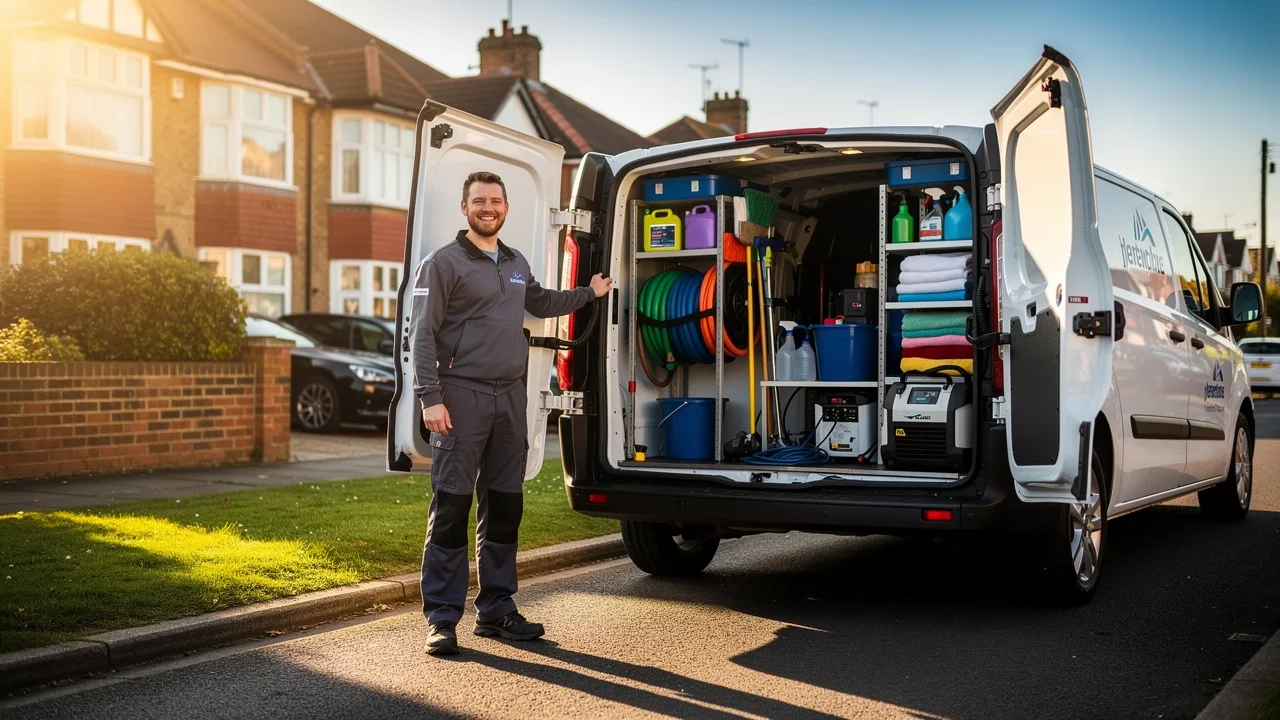
Franchising isn't a single fixed format. There are several ways the structure can work, each matching different skills, investment levels, and lifestyles. Below: typical investment scale across the four most common formats.
Business Format Franchise
The style most people think of first. The franchisee follows a complete package covering branding, store layout, marketing plans, staff training, and step-by-step operating procedures. Well-known fast-food restaurants, coffee chains, and many fitness clubs use this format. Support is wide-ranging: detailed manuals, structured initial training, regular field visits from the franchisor's team, and central marketing campaigns. Suits those who want a full-service business with strong brand recognition.
Management Franchise
The franchisee focuses on leading a team rather than delivering the service personally. Main tasks: sales, staff management, scheduling, business development. Common in home care, commercial cleaning, and other B2B services. Often appeals to career changers from corporate or professional roles with experience managing budgets, building client relationships, and hitting targets. Investment levels usually sit in the middle range; growth comes from larger client bases, extra staff, and sometimes additional territories.
Job Franchise (Man-in-a-Van)
More hands-on. The franchisee provides the service personally, visiting customers at homes or workplaces. Examples include oven cleaning, lawn care, mobile car repair, and similar trades. These often need a lower initial outlay and can sometimes be run from home, keeping overheads down. Popular with people who like practical work, want more independence, but still value brand support.
Product Distribution Franchise
Focus is on selling or distributing branded goods within a set area. Common examples include vehicle dealerships, vending machine routes, and drinks or snack distribution in offices and venues. Margins tend to be thinner than service franchises, but volume can be higher.
The Benefits and Downsides

Like any business route, franchising has strong positives and real challenges. Seeing both sides clearly helps with thinking before any large financial decision.
Benefits of buying a franchise
- Tested model - less trial & error
- Established brand & customer trust
- Training plus ongoing support
- Group buying power for stock & supplies
- Banks lend more readily for known brands
- Resale value if you build a strong record
Potential downsides
- High initial outlay for big-name brands
- Ongoing royalties paid on turnover, not profit
- Limited room for personal product ideas
- Reputation linked to every other outlet
- Long-term contracts (5-10 years typical)
- Resale subject to franchisor approval
"A good franchise should feel like a partnership where both sides win when the business grows." - Common guidance from franchise advisers
Is Franchising Right for You?

Franchising is often described as being in business for yourself, but within someone else's structure. This tends to suit people who are good at following systems and like clear rules. Those who want complete freedom to change products or branding may find a franchise less comfortable.
Traits of a strong franchisee
Before signing any agreement it's wise to research carefully - speak with several existing franchisees, check how accurate the franchisor's forecasts have been, work with an accountant to build a realistic plan, and ask a specialist franchise solicitor to review the contract.
Franchise Hunt is designed to make these early stages less overwhelming. The site offers a curated directory of trusted UK franchise opportunities with clear investment ranges and key facts. Its three-step process lets you explore options, compare them side by side, then enquire directly with brands that match your goals and budget.
Conclusion

A franchise is a way to run a business using an established brand, tested system, and structured support, in return for an initial investment and ongoing fees. For many first-time owners this balance between independence and guidance feels reassuring, especially compared with designing an idea from nothing. At the same time, it's a serious, long-term commitment that reduces some risks but doesn't remove them. Careful research, honest self-assessment, and solid professional advice all make success more likely.