







Senior Care vs Children's Education UK Franchises
Where the bigger profit really sits - and which sector matches your skills, capital, and tolerance for regulation.
Choosing between senior care and children's education franchises in the UK can feel high stakes. On a pure profit-per-client basis, children's education and childcare often look stronger. Wisely run senior care franchises can generate higher total earnings once a reliable team is in place. The real question is less about a single winner and more about which model fits your money, time, and tolerance for regulation.
Senior care offers predictable, high-volume demand with slimmer margins, built on many short visits funded by families and local authorities. Children's education and childcare often rely on fewer clients, but each contract or tuition package can bring in more revenue, especially for special educational needs (SEN) support. This guide compares demand, startup costs, profit margins, staffing, and long-term growth so the trade-offs stay visible.
Key Takeaways
- Demand in both sectors is strong and long-lasting, but built on different forces. Senior care rests on ageing population trends that are stable and easy to forecast, while children's education rides on social need, education policy, and support for vulnerable families.
- Domiciliary senior care can start with moderate capital but needs tight scheduling and volume to reach strong profit. Children's services usually cost more per site but charge higher prices per hour or per term, especially when specialist skills are involved.
- Senior care allows entry-level hires with on-the-job training but suffers high turnover and emotional strain. Children's services usually need degree-level staff and deeper vetting, slowing hiring but raising service quality and pricing power.
- Senior care fits owners who like logistics and building large teams. Children's services reward investors who enjoy close work with schools, families, and SEN frameworks.
What Drives Demand in Each Sector?
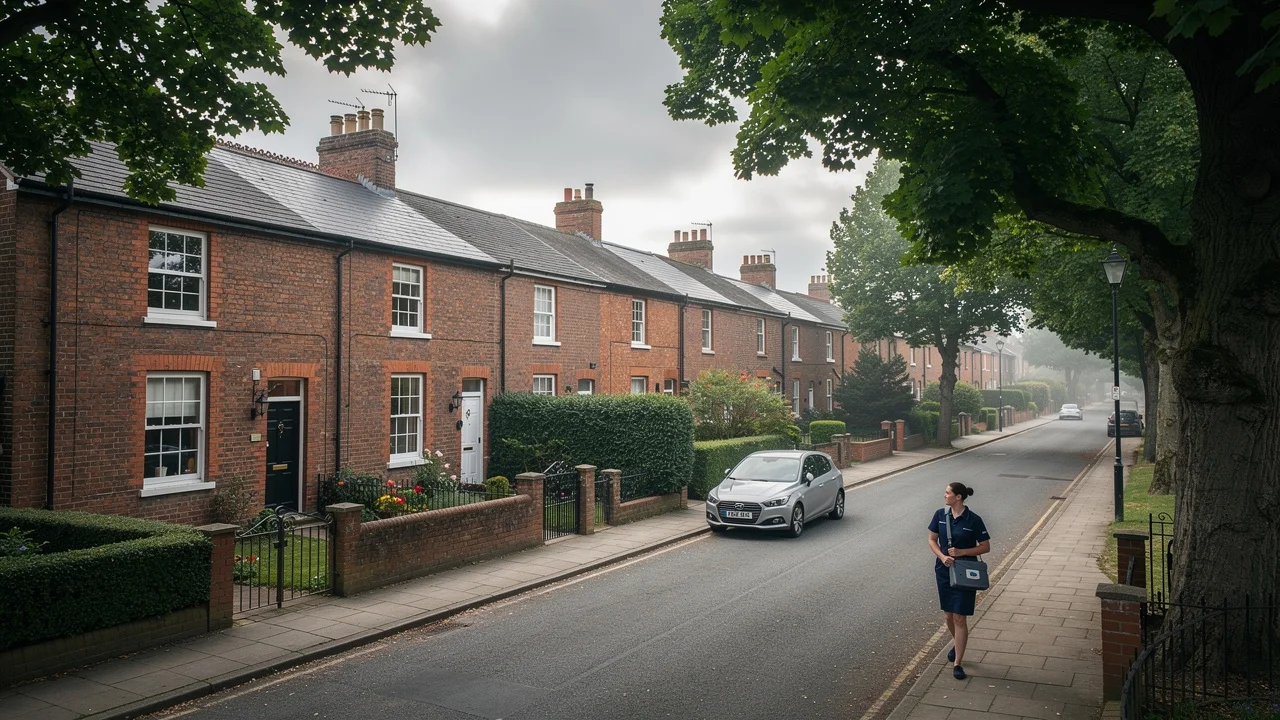
Both sectors are powered by demographic change and long-standing social need. Understanding the forces behind each helps you judge how secure demand will feel over a 10-15 year horizon.
Senior Care
- Ageing population & longer life expectancy
- Pressure on NHS bed availability
- Families living further apart geographically
- Rising rates of dementia & long-term conditions
Children's Education
- Persistent attainment gaps
- Mental health & SEN demand
- Childcare shortages for working parents
- Targeted government funding streams
On the senior care side, the numbers are striking. Office for National Statistics projections suggest the number of people aged 65+ needing care will rise by more than 60% over the next two decades. That covers help with personal care, dementia support, and daily living - usually delivered at home by domiciliary teams. For a franchise owner, demand is not only high now but locked in for decades.
Children's education and childcare draw demand from a different mix. Department for Education data shows over 80,000 looked-after children in England and close to 400,000 Children in Need, many of whom need extra learning or emotional support. Only around 37% of care-experienced children reach expected levels in reading, writing, and maths at Key Stage 2, against 65% of their peers. That gap drives steady demand for tutoring, SEN support, and wraparound childcare working closely with schools and councils.
How Do Startup Costs and Margins Compare?

The cost picture in the two sectors is structured differently. Senior care can start cheaper but runs on slimmer profit per hour. Children's services tend to need more spend per site, yet each student or contract can generate a higher return.
| Factor | Senior Care | Children's Education |
|---|---|---|
| Startup costs | Low-moderate (domiciliary) | Moderate (nurseries, tutoring centres) |
| Avg. staff salary | ~£20,000 (care assistants) | ~£22,000-£40,000 (specialists) |
| Margin profile | Slimmer per hour, volume-driven | Higher per session, especially SEN |
| Funding routes | Local authority & NHS contracts | School budgets & Pupil Premium Plus |
Most senior care franchisees in the UK choose domiciliary care over residential homes. This avoids large premises spend and instead runs from a small office, scheduling care assistants to visit clients across a set territory. Margins depend on how well the office matches staff hours to funded packages, controls travel time, and renews contracts with councils and families.
On the children's side, franchises often include nurseries, tutoring centres, and SEN-focused services. Setup involves adapting classrooms, learning materials, child-friendly tech, and strong safeguarding systems. Pay reflects higher qualification levels - many SEN coordinators sit between £25,000 and £40,000. Higher staff costs squeeze simple childcare models, but specialist services can charge higher prices per session, with some income flowing from school budgets and Pupil Premium Plus.
Staffing and Regulation: A Real Comparison

"Franchise owners rarely fail because they lack clients; they struggle because they underestimate staffing and regulation." - Social care franchise mentor
Staffing and compliance sit at the heart of both sectors, but the bar is set in different places. Senior care has more open entry routes - many domiciliary care assistants join without formal qualifications and progress through NVQ courses while working. The challenge is volume hiring against a backdrop of 150,000+ vacancies across adult social care.
Children's services demand higher credentials from day one. Staff often include qualified teachers, SEN coordinators, and social workers, all with formal registration and detailed background checks. Inspection frameworks differ too:
Care Quality Commission
Inspects against safety, staffing, training, and record-keeping standards. A poor rating directly affects council contracts.
- Registered manager required at every branch
- Annual reviews & spot inspections
- Training records audited closely
Office for Standards in Education
Covers early years and many education providers. Examines teaching quality, safeguarding practice, and leadership culture.
- Detailed safeguarding documentation
- Leadership scrutiny & teaching observations
- Public-facing inspection reports
For investors weighing the two, this split should guide self-assessment. Senior care suits owners ready to recruit at volume, train newcomers, and build a strong culture around CQC expectations. Children's services suit those who enjoy working with highly trained professionals, feel confident with Ofsted frameworks, and want to build a brand around specialist expertise.
Long-Term Growth and Investor Fit

Long-term growth looks encouraging on both sides, but rewards different investor types. Senior care benefits from age-based trends that are very predictable. Children's services draw strength from policy focus on inequality, attainment gaps, and childcare access.
Operational Scale-Seeker
Wants scale, predictable demand, comfortable managing large teams. Senior care fits well - multi-territory builds are realistic.
Education Changemaker
Cares deeply about education outcomes. Children's franchises with SEN focus can deliver visible impact and higher per-client margins.
Portfolio Balancer
Holds both kinds of franchise across regions - care for steady needs-driven income, education for higher-margin term-driven income.
Both sectors carry risks worth weighing alongside the growth story:
Senior care risks
Higher exposure to workforce shortages, rising wage costs, and shifts in local authority commissioning frameworks.
Children's services risks
Changes to school funding formulas, Ofsted framework updates, and competition from low-cost, unregulated tutoring providers.
The Final Verdict: Head-to-Head Scorecard

There is no single winner, but there is usually a clear answer for an individual investor. Senior care offers strong volume growth, clear demand visibility, and a path to large operations - provided you can recruit, schedule, and lead care teams. Children's education and childcare provide higher margins per contract, wider scope for specialist services, and strong links to school funding.
Before you choose, sit with three questions: How comfortable am I with health or education regulation? Do I prefer building large frontline teams, or smaller expert teams? Which type of impact matters more - helping older adults live independently, or helping children progress in school? Whatever your profile, Franchise Hunt makes it easier to compare real franchise options, check investment levels, and ask informed questions before money or time is on the line.