





UK Franchise Industry Trends Shaping 2026
Where demand is growing, how ownership models are changing, and what to ask before you back any brand.
Choosing a franchise is a big step, and timing matters as much as the brand. Market movements - and the trends behind them - shape how easy it is to win customers and grow. Ignore those trends and you risk backing an idea that has already passed its peak. Watching the data cuts through the noise so you focus on models that match real demand, not just glossy brochures.
Key Takeaways
- Service-based sectors lead the growth picture. Health, pet care, education, and tech franchises offer more space for long-term local relationships than traditional retail.
- Home-based and mobile models sit at the heart of the trend. They need less capital and give owners more control over hours.
- Digital tools are now table stakes. Strong websites, online campaigns, and helpful software are key tests when comparing brands.
- Franchisor support beats any single market trend. Training, manuals, and ongoing guidance carry more weight than a passing fad.
The UK Franchise Market in 2026 - At a Glance
The UK franchise sector is now a steady part of the wider economy, generating many billions of pounds a year and proving itself as a reliable route into business ownership. A franchise offers advantages a stand-alone start-up cannot match: a tested concept, a brand with built-in trust, and a playbook for daily operations.
"You are in business for yourself, but not by yourself." - Common franchise advisers' refrain
The market still moves, though. New sectors join the mix each year, and ownership styles shift as people look for flexibility and lower risk.
Trend #1: Home-Based, Mobile, and Lower-Cost Models
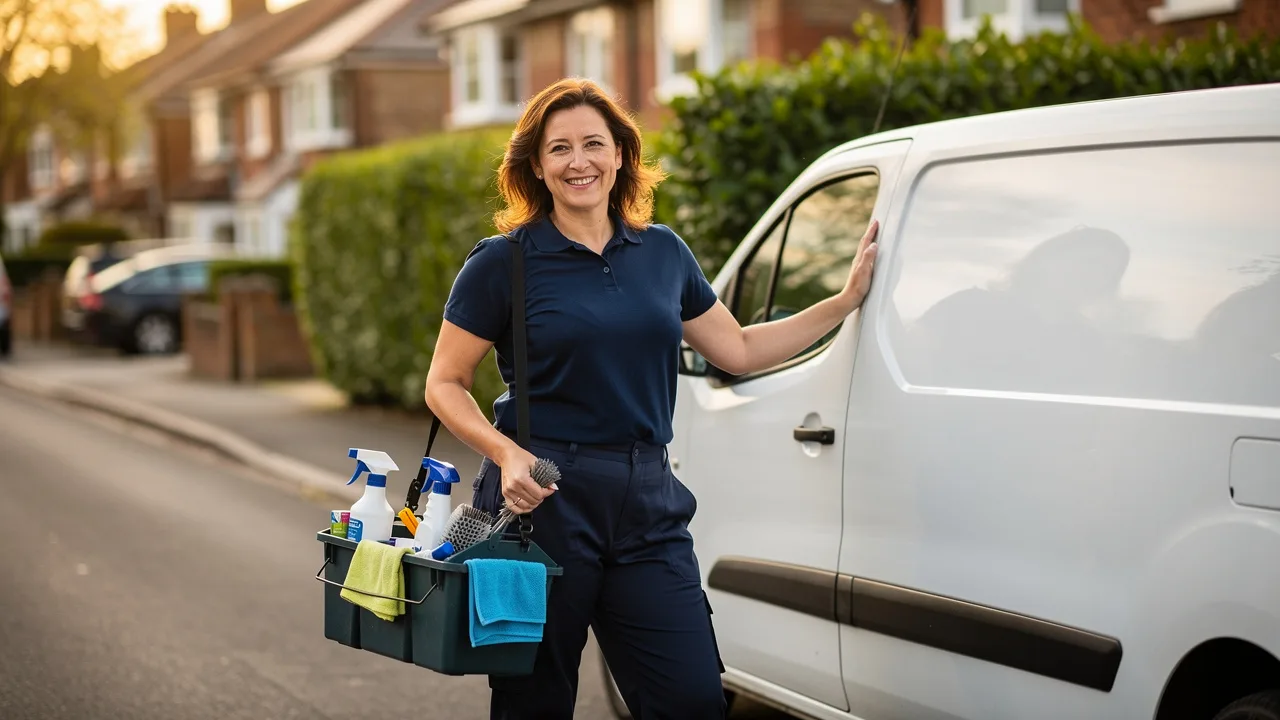
One of the strongest shifts UK buyers now see is the move away from only fixed retail sites. While high street brands still matter, many newer systems are designed to run from a spare room, a small office, or a van - giving owners more control over when and where they work.
💰 Lower startup costs
Smaller fees and limited fit-out spending make franchise ownership realistic for more people.
📉 Reduced overheads
Monthly outgoings stay under control. Owners can ride out quieter periods more comfortably.
⏰ Flexible working hours
Appeals to parents, carers, and people easing out of full-time employment.
📈 Strong scope for growth
Add vehicles, staff, or hours once demand builds. Many models scale beyond the home base.
Home-based franchises now cover bookkeeping, coaching, virtual assistance, tutoring, digital marketing, and more. Without rent on a shop or office, overheads stay lower and cash flow is often kinder in the early months - making the step from a salaried role into ownership feel more manageable.
Mobile franchises take the service to the customer. Cleaning, pet grooming, car valeting, beauty treatments, and many trades now run on a local territory model, with the van or kit acting as the "premises" and the brand name on the side building instant trust.
Trend #2: Where Demand Is Strongest - Sector Heat Map

Consumer behaviour sits at the heart of UK franchise trends, and spending has risen in areas linked to personal wellbeing, animal care, and children's learning. Franchises meeting these needs see steady demand and strong repeat custom.
Below: the top five fastest-growing UK franchise niches, ranked by 2026 demand and franchisor expansion activity.
Boutique yoga, Pilates, small-group training, and rehab-focused programmes - both studio and home-based.
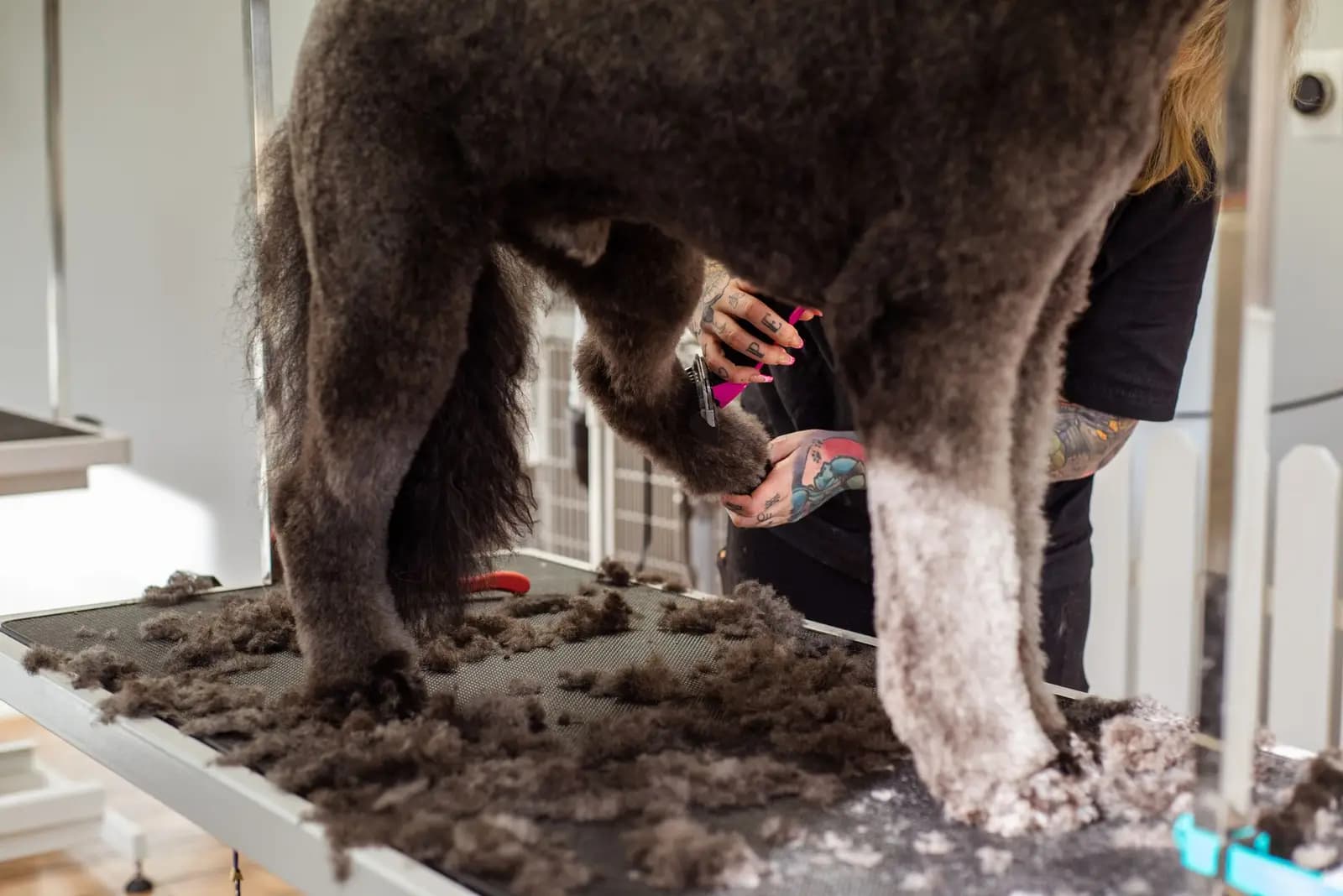
Dog walking rounds, home boarding, grooming, training. Strong territory potential and very loyal customers.
Maths, English, exam prep, STEM clubs. SEN support drives premium pricing where school budgets co-fund.
Stable, demographic-driven demand. Higher overall profit once a strong care team is in place.
IT support, digital marketing agencies, web design, device repair. Often home-based with strong margins.
Trend #3: Digital Change Is Now Table Stakes

Technology now sits at the core of almost every modern franchise system. It shapes how brands attract leads, handle bookings, manage stock, and stay consistent across many locations. Some franchises are themselves tech-driven businesses (IT support, digital marketing agencies, device repair). Even in more traditional sectors, digital tools now run daily operations - booking platforms, CRM software, point-of-sale systems, dashboards tracking the key numbers.
When you compare opportunities, ask detailed questions about digital support:
Digital due-diligence checklist
Trend #4: Why Franchisor Support Still Beats Any Single Trend

New sectors, flexible formats, and tech tools all shape the conversation. But one factor still stands above them. The strength of the franchisor's support and the clarity of their systems make more difference to daily life than any logo or marketing slogan. Without that backbone, even a popular product can struggle.
Good support starts with thorough initial training covering not just service delivery but also sales, staff management, and record-keeping. Clear manuals and online resources back that up. Ongoing help - field visits, regular calls, online forums, refresher sessions - keeps franchisees up to date and connected. Shared marketing campaigns at national level, combined with guides for local promotion, help every unit benefit from the strength of the group.
Two adjacent trends are worth flagging:
- Purpose-driven brands - social and ethical franchises (care, training, recycling) blending profit with measurable community impact are gaining visibility.
- Multi-unit ownership - once one branch runs smoothly, more franchisees open additional units within the same brand. This step only works when the original model is well-structured and support remains strong.
Franchise Hunt highlights support frameworks and investment details for each listed brand so buyers can judge how well a system might carry growth over time.
Conclusion
UK franchise trends in 2026 point toward accessible ownership models, demand in care and wellbeing, and franchises built on reliable digital systems - but a proven concept and supportive franchisor still matter most. By using Franchise Hunt to explore, compare, and enquire, aspiring franchisees can focus on opportunities that match their goals, budget, and preferred working style.