







The UK is a nation of animal lovers, and pet ownership has grown steadily over the past decade. For prospective franchisees, that makes the pet services sector a genuinely interesting area to explore: the demand is real, the repeat-custom model is built in, and many pet franchises can be started without expensive premises. This guide explains the main types of pet franchise available in the UK, what investment typically looks like, and the questions you should be asking before you sign anything.
Why the pet sector continues to grow
Pet ownership in the UK rose sharply during the pandemic and has remained elevated since. Owners who adopted dogs, cats and other animals during that period developed habits around professional care: grooming, walking, home sitting, and specialist nutrition. Many of those habits have persisted. The result is a sector where demand is distributed across the whole country, not concentrated in city centres, and where a well-run local business can build a loyal client base relatively quickly.
For franchisees, that underlying market matters for two reasons. First, you are not attempting to educate customers about a new kind of service; they already understand what dog walking or mobile grooming involves and many are actively looking for a reliable provider. Second, the repeat nature of the work means that each new client has value well beyond a single booking. A franchisee who retains a core group of regular households has a far more stable business than one built on one-off transactions.
Types of pet franchise in the UK
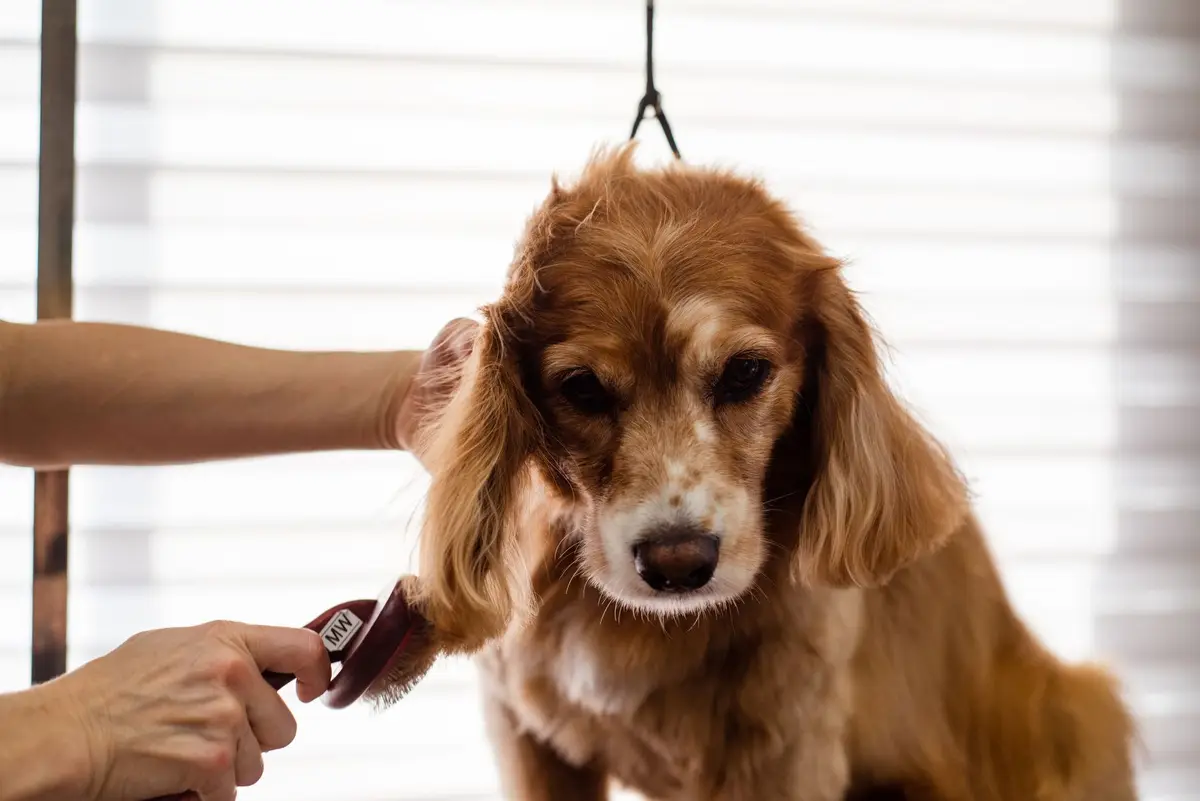
The pet franchise sector spans several distinct models. Some are mobile and require little more than a vehicle, insurance and equipment. Others involve fixed premises or specialist products. Understanding the differences upfront helps you match an opportunity to your own circumstances, skills and budget.
| Model | Typical format | Investment range | Suited to |
|---|---|---|---|
| Dog walking and pet sitting | Mobile, home-based | Low | Outdoor, active operators; flexible hours |
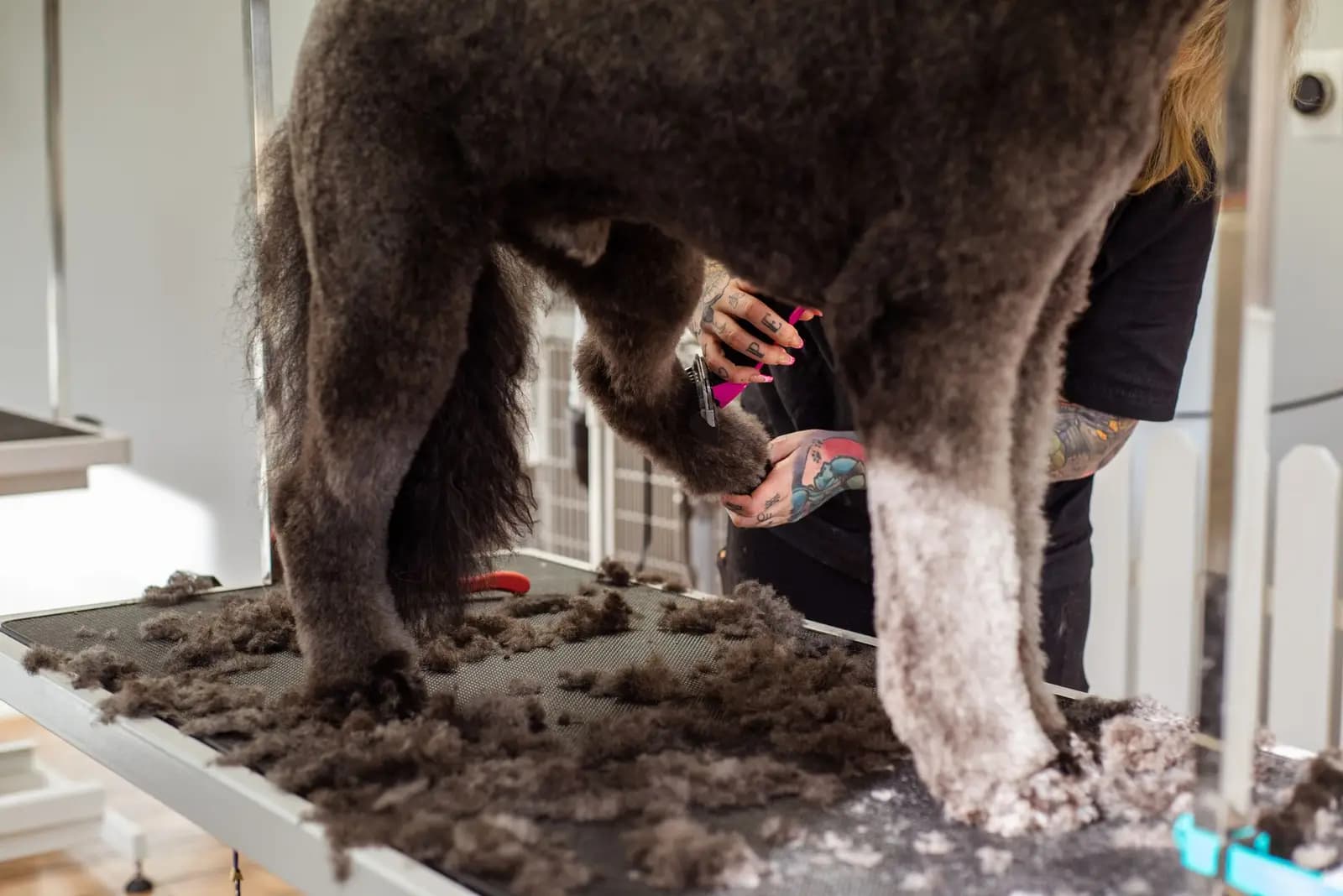
| Mobile pet grooming | Converted van | Low to mid | Hands-on, people-facing operators |
| Pet nutrition and specialist food delivery | Delivery and online | Low to mid | Those who prefer a product-based model |
| Pet training | Outdoor or venue-based | Low | Patient, methodical operators |
| Grooming salon | Fixed premises | Mid to higher | Operators building a team |
Key points before you invest
- The work is physical and can involve early starts and weekend commitments. Make sure the daily reality matches your lifestyle before committing to any model.
- Territory matters: a franchisor should be able to show you the pet-owning household density in your area before you sign. Insist on clear, exclusive territory boundaries in the agreement.
- The British Franchise Association recommends speaking with at least three existing franchisees before buying into any brand. Ask them honestly what they find difficult, not just what works well.
- Understand the full fee structure: the initial franchise fee, ongoing management service fee, marketing levy, and any costs for vehicle wrapping, uniforms or equipment are all part of the real investment.
- A solicitor experienced in franchising should review the franchise agreement before you sign. This step is not optional.
Indicative investment levels by model
Investment levels vary considerably across the pet franchise sector. The ranges below are indicative only; actual figures depend on the specific brand, your chosen territory and what is included in the initial package. Always verify the full breakdown with the franchisor directly, and factor in working capital for the first few months of trading.
Qualities that suit a pet franchise owner
The most important quality is a genuine affinity with animals. That matters more than any business background, because clients choose a pet service provider largely on how they treat their animals. An operator who clearly enjoys the work builds trust quickly and retains clients for longer.
Beyond that, the qualities that tend to transfer well are reliability, customer service, and self-motivation. Many pet franchises are run by one person in the early stages, which means you are the bookings system, the client manager and the service provider all at once. Franchisors provide training and ongoing support, but the day-to-day discipline has to come from you.
It is also worth thinking honestly about physical demands. Dog walking, grooming and training are active roles, often outdoors in all weathers. If you are comparing a mobile grooming van with a desk-based franchise, make sure the daily reality of the role is one you will sustain, not just one that appeals on paper.
Finding the right brand and doing your homework
Before approaching any pet franchise, spend time on the basics. Is the brand a member of the British Franchise Association? Membership is not a guarantee of success, but it means the brand has agreed to operate to a published code of ethics and can be removed for breaching it. Check how long the brand has been franchising and how many franchisees are currently operating.
Speaking with existing franchisees is the single most valuable step in the process. Their accounts of training quality, ongoing support, territory workload and the honest day-to-day experience of running the business are far more reliable than any brochure. Prepare specific questions: what does a typical working week look like? How does the franchisor respond when something goes wrong? Would they buy in again? You can browse currently active pet franchises, including established brands such as Petpals and Husse, on our Pet Franchises directory page. For the full range across all sectors, the franchise directory is a good starting point for comparison.
Getting your business structure right
Most pet franchisees operate as either a sole trader or a limited company. Each structure has different implications for tax, National Insurance, liability and how you draw income from the business. The GOV.UK business setup guide sets out the options clearly. Your franchise agreement may specify or recommend a structure, so check this early. You will need to register with HMRC, keep records for VAT purposes if your turnover exceeds the registration threshold, and if you take on staff, register as an employer and operate PAYE. A franchise solicitor and an accountant familiar with franchising are both worth engaging at this stage.
Frequently asked questions
Do I need experience with animals to run a pet franchise?
Most pet franchises do not require formal qualifications, though a genuine affinity with animals is essential. Franchisors provide full training covering animal handling, health and safety, insurance requirements and customer service. For specialist models such as grooming salons, relevant experience or a grooming qualification is generally expected by the franchisor before they will award a territory.
How are territories defined in pet franchises?
Territories are typically mapped by postcode area and sized according to the density of pet-owning households in a region. Ask the franchisor to walk you through exactly how your territory is defined and whether it is exclusive. Exclusive territories protect you from competing with other franchisees carrying the same brand; not all agreements guarantee this, so read the franchise agreement carefully and raise it with your solicitor.
Can I scale a pet franchise into a larger business?
Yes, many franchisees start as sole operators and later take on staff to expand capacity. Some brands support multi-territory ownership once an initial area is well established. The route to scaling depends on the model: a dog walking round is limited by the hours in your day, whereas a nutrition delivery franchise or a grooming salon with employed groomers may be easier to grow with additional headcount or vehicles.
What ongoing fees should I expect to pay?
The typical structure includes a management service fee calculated as a percentage of monthly revenue, sometimes called a royalty, plus a contribution to a national marketing fund. Some brands charge a separate technology or software fee. Amounts vary considerably by brand. Make sure you understand not just the initial franchise fee but the total monthly outgoings before you model whether the business is financially viable for your circumstances.
Ready to explore pet franchise opportunities?
Browse active pet franchises across the UK and request information directly from franchisors.
Browse Pet Franchises