







The UK has an ageing population, and with it comes a growing, sustained demand for quality care. Care and home care franchises sit at the intersection of two powerful trends: the need for personalised support for older and vulnerable people, and the appeal of a business built on genuine purpose. If you are weighing up this sector, here is an honest look at how these franchises work, the different models available, and what a realistic path into the industry looks like.
A sector built on a real social need
The care sector is one of the largest industries in the UK by employment. Unlike many business categories, demand is not driven by consumer fashion or economic cycles. People need care regardless of what the economy is doing, and the number of people requiring support continues to rise as the population ages. This structural demand makes care one of the more resilient choices for a franchise investor, though it is important to understand that success depends on excellent service delivery, not just market conditions.
Many of the leading care franchise brands in the UK are members of the British Franchise Association, which provides a benchmark for ethical trading and transparency. Membership is not a guarantee of quality, but it does mean the franchisor has agreed to operate to a defined code of conduct and submit to scrutiny. When you are shortlisting brands, BFA membership is a useful first filter, though it should not replace your own detailed research.
The main models: what each one looks like
Care franchises are not a single category. The term covers several distinct business models, each with different operational requirements, investment levels and day-to-day realities.
| Model | How it works | Typical requirements | Key consideration |
|---|---|---|---|
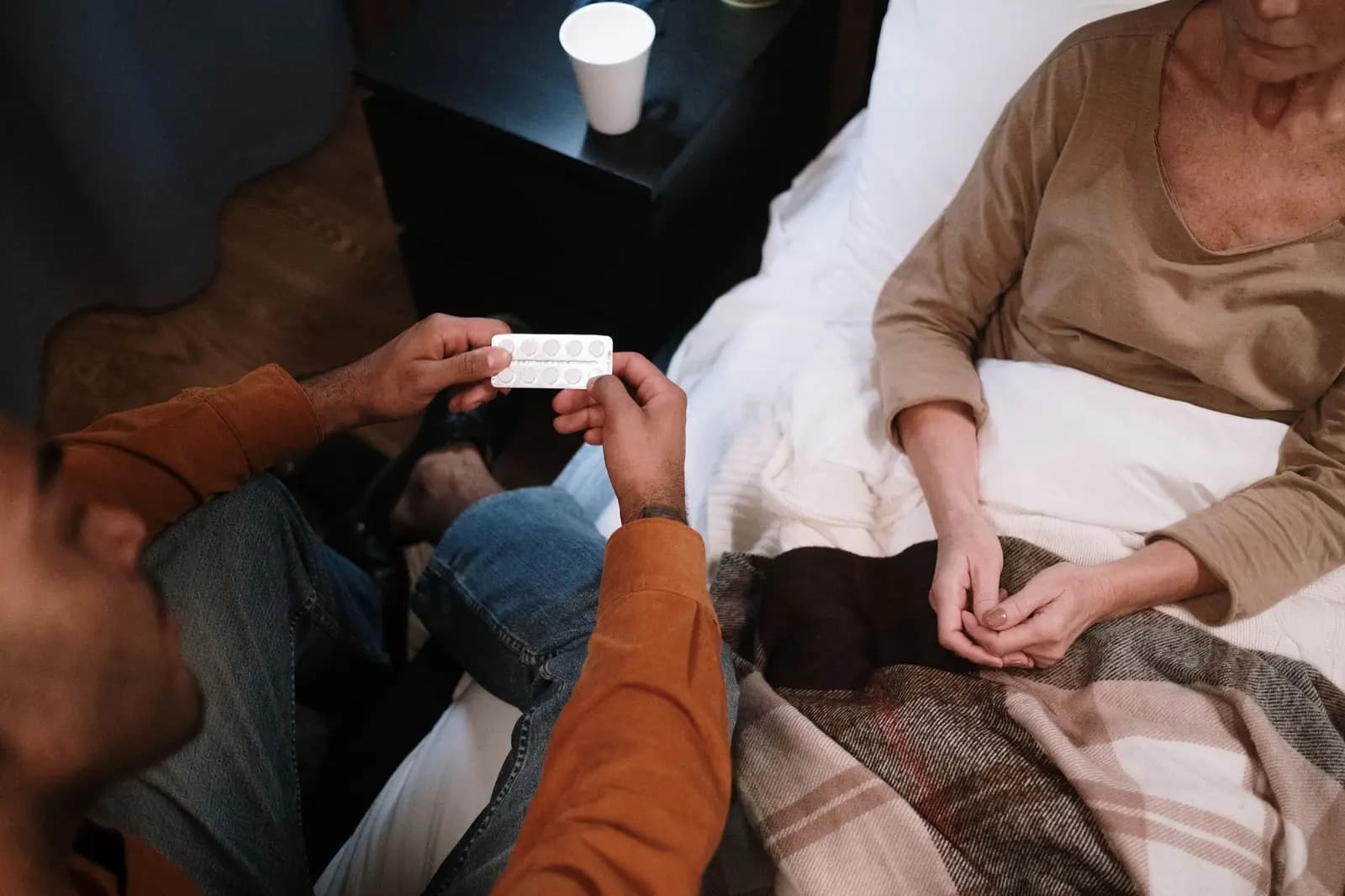
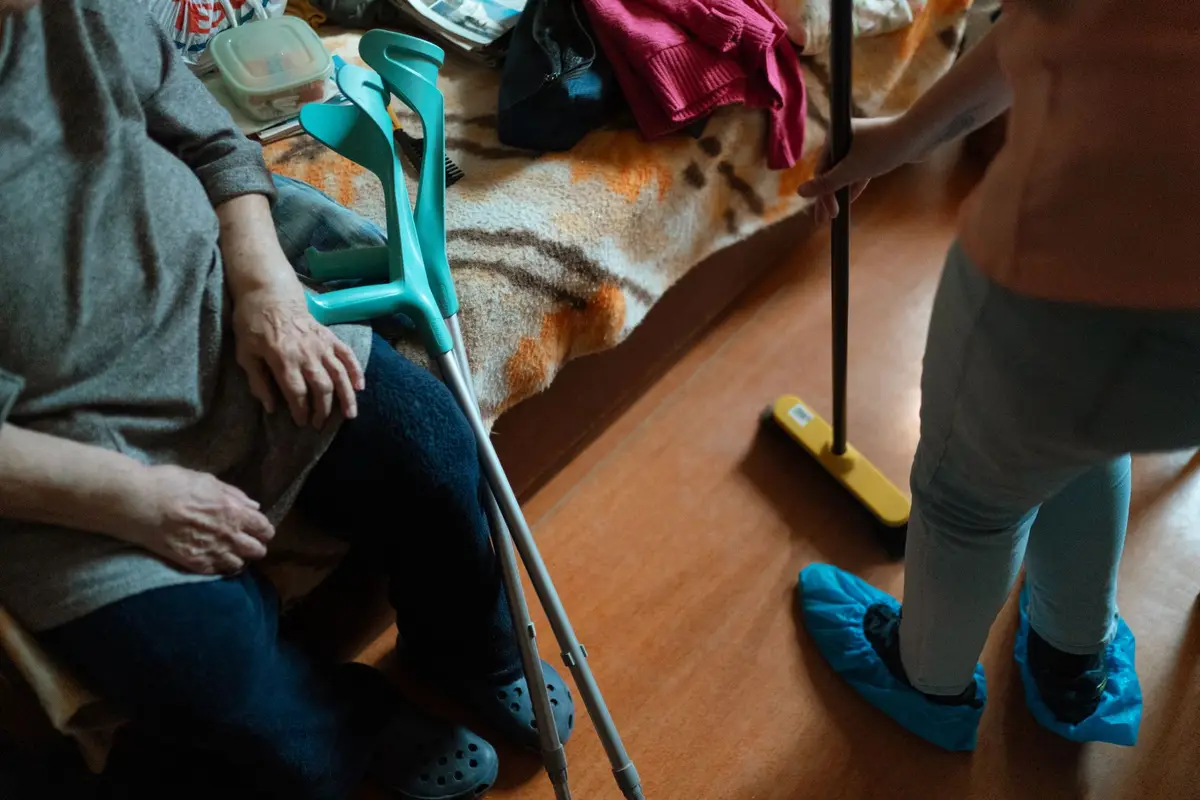
| Home care (visiting) | Carers visit clients in their own homes for timed calls, helping with personal care, medication, meals and companionship | CQC registration, carer recruitment, scheduling software | Recruiting and retaining good carers is the central ongoing challenge |
| Live-in care | A carer lives with the client full-time, providing continuity of support around the clock | CQC registration, careful carer matching, ongoing supervision | Higher complexity per client but often commands a premium level of service |
| Supported living | Care is provided to people with learning disabilities or mental health needs in their own accommodation | Specialist training, robust safeguarding procedures | Requires deep sector knowledge and a strong compliance culture from day one |
| Companionship / non-regulated | Companionship visits, shopping trips and light domestic help without regulated personal care tasks | DBS checks, insurance, brand standards | CQC registration not required, which lowers the entry barrier considerably |
If you are comparing care franchises and home care franchises on this site, you will find both regulated and non-regulated services listed. The distinction matters practically because CQC registration adds compliance cost and a registration process that can take several months before you begin trading. Your franchisor should walk you through the timeline and requirements in full during the discovery process.
- Regulated care activities require registration with the Care Quality Commission before you begin trading.
- The business model is people-heavy: your ability to recruit, train and keep good carers directly shapes your outcomes.
- Care franchises typically generate recurring revenue through ongoing client relationships, though building that client base takes time.
- You are building a care business, not simply running a brand. Genuine commitment to quality is essential and is inspected by the CQC.
- Ask franchisors for a copy of their most recent CQC inspection report as part of your due diligence.
What the day-to-day actually looks like
A common misconception is that buying a care franchise means you will spend your days delivering personal care yourself. In most franchise models, particularly the established national brands, the owner-operator role is managerial. You recruit and train carers, manage scheduling, liaise with clients and their families, handle compliance requirements, and market your services locally. The carers are the ones visiting clients at home.
That said, in the early weeks most franchisees spend time on the ground, understanding the service they are delivering before stepping back into the management role. Brands such as Home Instead and Bluebird Care are well known for thorough initial training programmes that cover both the business side and the care standards you need to meet from the start.
Carer recruitment is consistently cited as the biggest operational challenge. Turnover in the care sector is high nationally, and building a reliable, well-trained team takes sustained effort. The franchisors who support you best on recruitment, including tools, templates and employer branding, are often worth the higher initial investment. When speaking to existing franchisees, ask them specifically about their experience of staff retention, not just about the service itself.

Regulation and what it means in practice
If your franchise provides regulated activities, such as personal care, you will need to register with the Care Quality Commission before you can trade. The CQC inspects and rates care services on five domains: safe, effective, caring, responsive and well-led. Your rating is published publicly, and a poor one will damage the business significantly. The flipside is that a Good or Outstanding rating is a powerful marketing asset in a sector where trust is everything.
CQC registration can take three to six months from application to confirmation of trading approval. Factor this into your business planning well in advance, and ask your franchisor how they support you through the process. You cannot legally deliver regulated personal care activities until registration is confirmed.
Your franchisor should provide policies, procedures and compliance templates built to CQC standards. When you are doing your due diligence, ask to see the compliance framework in detail and speak to existing franchisees about their experience of their first CQC inspection. The gov.uk guide to registering a care service sets out the steps and what the CQC expects from applicants, and it is worth reading early so you understand the scope of the process before committing.
Frequently asked questions
Do I need a care background to buy a care franchise?
Most franchise brands do not require prior care experience. They are looking for management ability, people skills and a genuine motivation to build a quality service. That said, some familiarity with the care sector, even through volunteering, helps you understand the realities of the role and demonstrates commitment to the franchisor during the application process.
How long before a care franchise breaks even?
This varies significantly between franchisees and territories. Building a client base takes time, and you should expect a period of trading before the business covers its costs. Your franchisor's financial projections should be based on the experience of actual franchisees. Always verify these figures by speaking directly with current franchise owners and, where possible, ask to see real trading accounts from comparable territories.
Can I run a care franchise part-time?
Most regulated care franchises are designed as full-time owner-managed businesses, particularly in the early years when client acquisition and team building demand consistent attention. Non-regulated companionship services may offer more flexibility. Check the specific model carefully before assuming part-time operation is viable.
What ongoing fees should I expect?
Most care franchisors charge a monthly management service fee, often expressed as a percentage of turnover, plus a marketing levy. These come on top of your initial franchise fee. Review the Franchise Agreement carefully with a solicitor who specialises in franchise law before signing anything.
Is a care franchise right for you?
The best candidates for care franchise ownership are people who are motivated by the impact of the service, not just the commercial opportunity. CQC inspectors, clients, their families and your own carers will quickly sense whether the business is run with genuine commitment or simply managed for margin. Both approaches are possible, but the latter tends to surface in staff retention figures, CQC ratings and the quality of long-term client relationships.
If the combination of values-led purpose, resilient demand and a clear operational model appeals to you, care franchising can be a deeply rewarding direction. Explore the listings, read CQC inspection reports for any brand you are seriously considering, and talk to franchisees who have been running their businesses for at least two years before making any decision.
Browse care franchise opportunities
See all active care and home care franchises on Franchise Hunt, with investment levels and territory details.
View care franchises