








Loading franchises

Browse trusted food franchises across the UK, offering proven concepts, expert training and strong demand across restaurants, takeaways and street food brands.
Sorted by: Relevance
Be the first to know when new franchise opportunities are listed. Get alerts sent straight to your phone.
By signing up you agree to receive SMS alerts from Franchise Hunt. Reply STOP to unsubscribe anytime.
Few industries touch daily life as directly as food. People eat out, order in, grab a coffee between meetings, and treat the family at weekends regardless of what the wider economy is doing. That resilience, combined with the emotional connection people have with food, is exactly why the food franchise sector attracts so many ambitious entrepreneurs every year. Whether you are looking for a quick-service restaurant, a mobile catering operation, a specialist food retail unit or a sit-down dining concept, the UK market offers serious opportunity for driven operators who want the backing of a proven brand.
One of the most appealing aspects of food franchising is the sheer variety of formats. High street and retail park units with customer-facing dining rooms represent the traditional end of the sector, but they are far from the only option.
Understanding which model fits your lifestyle, your available capital and your local market is one of the most important decisions you will make before signing any agreement.
Starting an independent food business from scratch carries well-documented risks. Menu development, supply chain relationships, kitchen design, food safety compliance, staff training and marketing all need to be figured out simultaneously, usually while the clock on your lease is already running. A food franchise compresses this learning curve dramatically.
Established brands bring tested recipes and preparation methods, approved supplier lists with negotiated pricing, branding customers already recognise, and structured training programmes covering both kitchen operations and front-of-house management. For someone entering the sector without a catering background, this scaffolding can be the difference between a confident launch and a costly experiment. Even experienced operators find that having a franchisor's operations team on call during the first months reduces stress and speeds up profitability.
You do not need a culinary qualification to succeed as a food franchisee, though a genuine enthusiasm for the product certainly helps. The skills that tend to matter most are people management, attention to hygiene and quality standards, and the ability to build a rapport with your local community.
Food businesses live or die on consistency. A customer who had a brilliant experience last Tuesday needs the same experience next Tuesday, even if you were not personally on the shop floor. Franchisees who invest in training their team, who follow the brand's systems diligently and who treat customer feedback as useful data rather than personal criticism tend to be the ones who build strong, profitable units over time.
That said, food franchising is rarely passive. Early starts, weekend trading and the physical demands of a busy kitchen or service environment are real considerations. Being clear-eyed about what the day-to-day looks like before you commit is essential.
The capital required to open a food franchise varies considerably depending on the format, location and brand. A mobile unit typically demands a much lower upfront investment than a full restaurant fit-out, and a kiosk inside an existing retail centre sits somewhere in between. Beyond the franchise fee itself, costs to budget for include premises fit-out, equipment, initial stock, staff recruitment and training, working capital for the first few months of trading, and any local marketing spend at launch.
Many food franchise brands have relationships with specialist franchise lenders, and some high-street banks have dedicated franchise teams who understand the sector's cash flow patterns. Exploring finance options early, alongside your legal and accountancy advice, puts you in a much stronger position when it comes to negotiating and planning.
Responsible due diligence in food franchising goes beyond reading the brochure. Speak to existing franchisees in the network and ask them honestly about support levels, about how the franchisor handles underperforming periods, and about whether the marketing fund delivers visible results. Visit operating units at busy and quiet times. Review the full franchise agreement with a solicitor experienced in franchise law. Understand the territory you are being offered and whether any exclusivity protections apply.
The most successful food franchise journeys tend to start with a period of genuine research rather than a rush to sign. The brands worth working with will welcome your questions and encourage that scrutiny.
The listings above represent a broad cross-section of food franchise opportunities available to UK buyers right now, from established national names to newer concepts with strong regional momentum. Browse the brands that interest you, read each profile carefully, and use the enquiry function to open a direct conversation with the franchisors behind them. The right food franchise for you is one that fits your budget, your market and your ambitions, and the best way to find it is to start asking questions today.
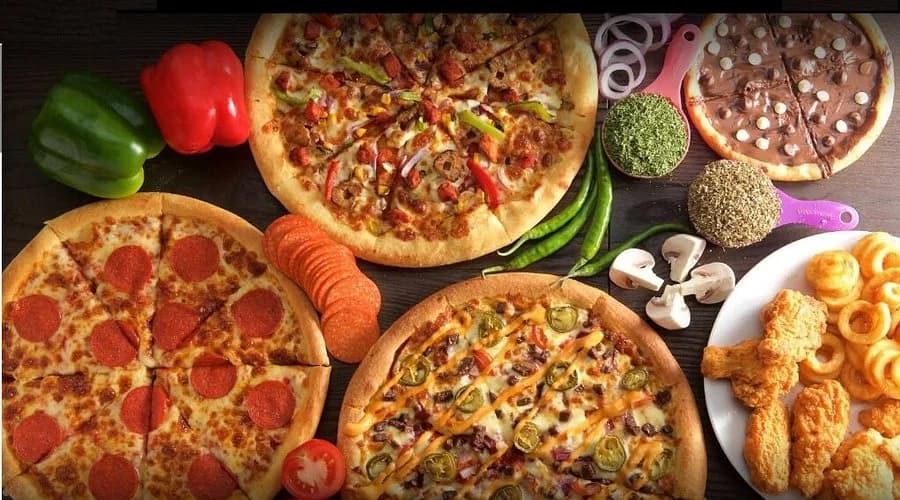
Caprinos Pizza is one of the fastest-growing pizza delivery and takeaway chains in the country, with over 100 branches and expanding internationally into Ireland and Pakistan. Founded in Didcot in 2014, Caprinos has won multiple industry awards including Best Pizza Restaurant of the Year at the British QSR Franchise Awards 2025 and a place in the HSBC Elite Franchise Top 100. One of the few pizza brands offering a fully Halal menu across every branch, Caprinos serves Italian-American cuisine with globally inspired flavours, fresh dough, and a simple, sustainable business model designed for franchisee success.