




Buying a Franchise with Bad Credit in the UK
A weak score raises the bar - but it doesn't close the door. Here are the funding routes, mindsets, and recovery moves that actually work.
Buying a franchise with bad credit in the UK can feel frightening and unfair. Rejections, higher deposits, and confusing terms can knock your confidence fast. Yet a low score does not close the door on franchise ownership. By separating personal and business finances, building a clear plan, and choosing the right franchise model, you can still move forward on solid ground.
Key Takeaways
- Bad credit doesn't block UK franchise ownership outright. Lenders care about risk, not perfection. With the right plan, many applicants still obtain funding and build strong businesses.
- Franchises can look safer than independent start-ups. A proven brand and tested system reduce guesswork - that lower risk can balance a weaker personal credit record.
- Many funding paths exist beyond a high-street loan. Government Start Up Loans, merchant cash advances, asset finance, peer-to-peer lending, equity investors, and personal savings can all play a part.
- A UK limited company is a smart early move. The company can build its own credit file separate from yours, even while your personal score recovers slowly.
- Pick a franchise with realistic start-up costs. A lower entry fee reduces borrowing needs and lets you match the funding method to your situation.
How Bad Credit Affects Buying a Franchise
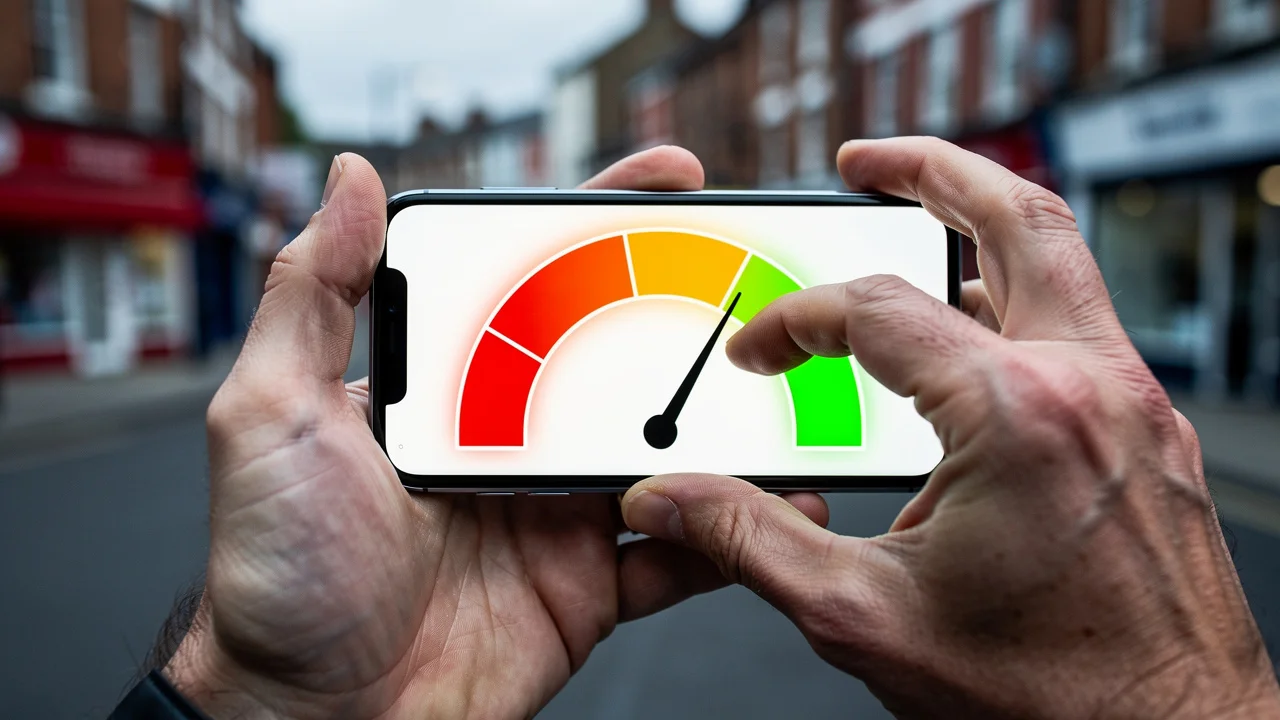
In the UK, credit reference agencies - Experian, Equifax, TransUnion - score you on past borrowing behaviour. Experian uses a 0-999 scale where 0-560 is very poor and 561-720 is poor. Missed payments, defaults, high card balances, CCJs, and past bankruptcy all push scores down.
When you apply for franchise finance, two groups look at this record: lenders (do you meet their risk rules?) and franchisors (can you keep sites trading and protect the brand?). A weak report doesn't mean instant rejection - but it does mean you must work harder to show control and planning.
Traditional high-street banks typically respond to bad credit in one of these three ways:
Outright decline
Application rejected, often on automated rules before a human reviews it.
Higher deposit & rate
Larger upfront cash required, plus interest 2-4× standard rates and shorter terms.
Stricter conditions
Personal guarantees, charges over property or vehicles, tight covenants.
Missed payments can stay on a credit file for up to six years, so old mistakes still shape offers today. Many lenders and investors do see established franchises from strong brands as safer than completely new concepts - they know there's a tested model, training, and marketing support behind it. That can make alternative lenders more flexible with applicants whose credit is bruised but who arrive with a clear plan and a strong franchise brand.
| Borrower profile | Typical APR | Term length | Personal guarantee |
|---|---|---|---|
| Top-tier credit | 6-10% | 5-10 years | Sometimes |
| Mid-tier credit | 10-18% | 3-7 years | Usually |
| Poor credit | 15-30% | 3-5 years | Always |
Alternative Financing Routes for Poor Credit

By mixing government schemes, flexible lenders, investors, and personal funds, many people still reach their franchise goal. Here are the five routes worth knowing - with a quick view of relative cost.
£500-£25,000 per person, up to £100k per business. Fixed ~6% rate. Free mentoring. Bad credit doesn't auto-rule you out.
Lender takes security over vehicles, equipment, fit-out. Focus on resale value, not your score. Lower rates than unsecured.
Funding Circle and similar match you with many small investors. Rates from single digits to higher doubles. 1-6 year terms.
Seedrs, Crowdcube, angels. Money for a share of the company. No monthly repayments, but you give up ownership.
Suits card-heavy franchises (cafés, salons, takeaways). Repay a % of card sales. Flexible cash flow but expensive overall.
Many franchisors also offer franchisor-supported funding - introductions to preferred bank contacts who understand their brand, help preparing your business plan in a lender-friendly format, staged or deferred payment of part of the franchise fee, or in-house finance on equipment at commercial (sometimes discounted) rates. These don't remove risk but can make the package more affordable.
"Before saying yes to any funding offer, ask for the total amount repayable in pounds, not just the interest rate. That number makes it much easier to compare options." - Franchise Hunt tip
Soft vs Hard Credit Checks: Protecting Your Score
When your score is already fragile, every hard search matters. Many close hard checks in a short time can drop your score further. Use soft searches first - only allow a hard check once you feel confident the offer works.
Soft Check ✓
Visible to you but not to other lenders. No effect on your score.
- Eligibility checkers (ClearScore, MoneySuperMarket)
- Most fintech & broker first-stage quotes
- Pre-approval indicators
- Use across many lenders without harm
Hard Check ✗
Visible on your file for 12 months. Several in quick succession look risky to lenders.
- Full bank loan applications
- Most credit card & mortgage applications
- Some asset finance commitments
- Only run when you're ready to commit
Separating Personal and Business Finances
Forming a UK limited company protects you and creates a path to fresh business credit. The company exists as a separate legal person - over time it builds its own credit history apart from your personal file (though some lenders may still ask for a personal guarantee at first).
The 3-step structure for clean finances
- Open a business bank account in the company name. All franchise income goes into that account; all costs leave from it.
- Stop mixing spending. No personal cards on franchise bills. No business account on private costs.
- Build a small business credit track record. Ask for a modest overdraft or business credit card once trading starts. Use it for genuine expenses. Clear it on time.
Over time this builds a positive business credit profile with agencies like Experian and Equifax. It doesn't fix poor personal credit overnight - but it reduces the damage and shows franchisors you treat the franchise as a serious company, not a hobby.
What Franchisors Look For Beyond Your Credit Score

Franchisors look far beyond your credit score when deciding whether to award a territory. They care about your attitude, planning skills, and ability to follow their system every day.
A detailed business plan is often the strongest document in your pack. It should show start-up costs (including working capital), monthly running costs and break-even point, realistic sales forecasts and cash flow, and how you'll respond if sales come in below plan.
Franchisors also judge softer points: enthusiasm for the brand, willingness to follow manuals, ability to train staff, and openness about past problems. Trying to hide bad credit rarely works - routine checks reveal it. Honest explanation, plus evidence you now handle money well, often lands better than silence.
You can strengthen a weak file with: a relative or business partner with stronger credit acting as guarantor or joint director, extra savings or assets you'll commit, or choosing a smaller, lower-cost franchise that needs less borrowing.
Improving Your Credit Score Over 24 Months

This is a steady process rather than a quick fix. Small consistent steps make a big difference over a year or two.
Alongside personal repair, grow the strength of your franchise company: keep accurate accounts, pay suppliers, staff and tax on time, and keep business borrowing within affordable limits. Free advice agencies listed on MoneyHelper can help structure repayment plans if you have several debts.
"Think of credit rebuilding as part of running your franchise well, not a separate chore. Good habits in the business often feed through into better credit options." - Franchise Hunt
Final Thoughts
A damaged credit score makes buying a franchise harder in the UK, but it doesn't block the path. Work on two tracks at once: use the right funding mix for your situation now - Start Up Loans, alternative lenders, investors, partners - while you steadily repair both personal and business credit. Keep honest records, pay bills on time, and choose a franchise model with realistic costs so higher interest rates don't swallow your profits. Your credit history is only one part of your story.