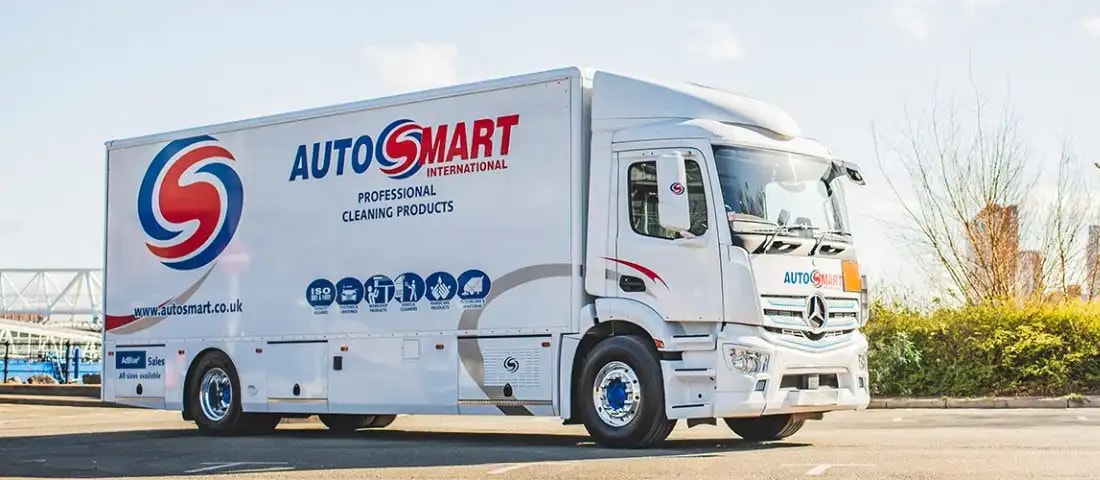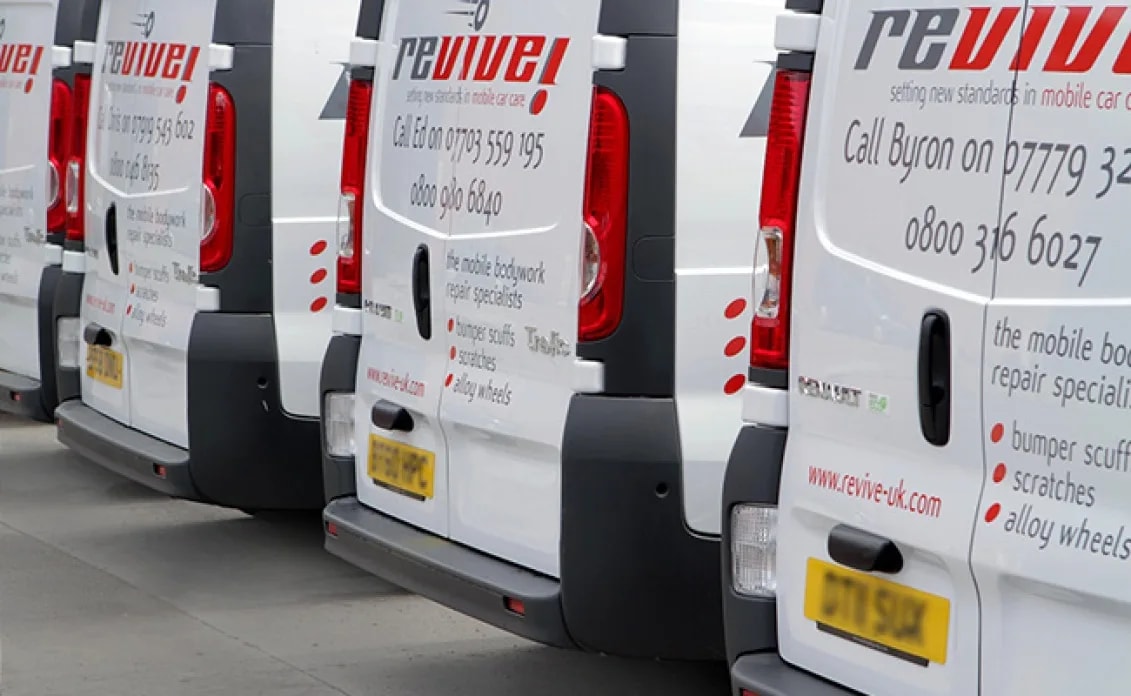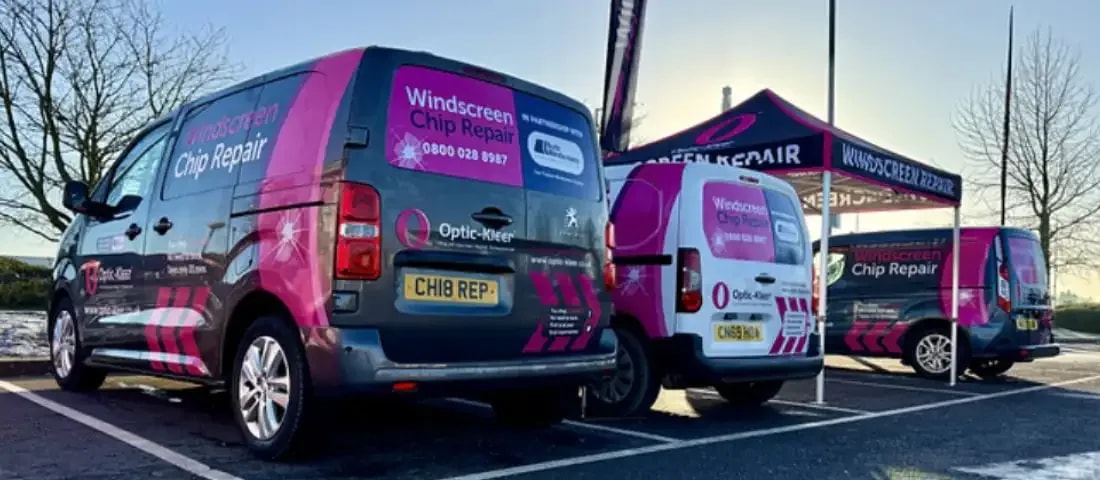










A van is one of the most practical pieces of business equipment in the UK. For many franchisees it is the shop, the office and the brand billboard in one. Van based franchises appeal to people who want to run a business without the rent, rates and fit-out costs of a high street unit, and who like the idea of working across a local patch rather than behind a counter. This guide explains how the model works, which sectors suit it, and what to check before you commit.
- 01
No premises lease
Your overheads stay closer to the vehicle and the kit
- 02
Local territory
Your patch is defined in the franchise agreement
- 03
Repeat custom
Many van trades rely on regular returning clients
Why van based franchises have low overheads
A conventional shop or salon commits you to a lease, business rates, utilities and a fit-out before you serve a single customer. A van based business moves most of that cost into a vehicle, equipment and branding. There is no rent review to worry about, and you can usually start trading from home, which is why so many van franchises also suit a home-based lifestyle. You can browse the full van based franchise listings to see the range on offer.
Low overheads do not mean no costs. Fuel, insurance, servicing, parking, tyres and the occasional breakdown are all real running costs, and they rise with the miles you cover. The sensible approach is to treat the vehicle as a core part of your cost base from day one and ask the franchisor exactly what is included in the initial fee and what you must buy or lease yourself. Our guide to the hidden costs of buying a franchise covers the wider picture.
- Premises costs
- Low
- Vehicle and kit
- Moderate
- Running costs (fuel, insurance)
- Ongoing
- Marketing in your territory
- Varies
An illustrative picture of where a typical van based business spends, not a figure from any single franchise.
Which sectors suit a van?
Any service that goes to the customer can work from a van. The most common groups are trades and home services, vehicle care, cleaning and mobile food or drink. Each has its own rhythm, from seasonal gardening work to year-round vehicle valeting.

If you like working with vehicles, look at what a brand such as ChipsAway offers in mobile vehicle repair. If a trade appeals, the The Window Doctor listing shows how a home improvement service is structured around a van. You can compare many more through the automotive franchise category.
Key takeaways
Key takeaways before you invest
- Check whether the van is included, leased or bought separately, and who owns the livery.
- Ask how your territory is defined and whether another franchisee can work inside it.
- Speak to several existing franchisees about the reality of the daily routine.
- Read the earnings information the franchisor discloses rather than relying on headline claims.
The legal and practical side of running a van
Running a commercial vehicle brings obligations. You will need appropriate business use insurance, and you should check the rules on vehicle tax and the vehicle's MOT and servicing schedule. Depending on the work, you may also need public liability cover, tool and equipment cover and any trade qualifications the franchisor requires. Most franchisees trade as a sole trader or limited company, so it is worth understanding the difference before you register with HMRC and, if relevant, Companies House.
It also helps to choose a franchisor that is open about its standards. Membership of the British Franchise Association signals a commitment to a code of ethical practice, although you should still do your own due diligence.
How to decide whether a van franchise is right for you
Be honest about the lifestyle. You will spend much of the day driving, lifting and dealing with customers, often in all weathers. You also need to be comfortable promoting your own territory, because even with strong brand support, local reputation is built job by job. If you prefer a team environment or fixed hours, a different model may suit you better. Many people start by exploring the broader van based lifestyle category and then narrowing by sector and budget.
When you speak to franchisors, ask about training, ongoing support, how leads are generated and what happens if the business does not perform as planned. A good franchisor will welcome these questions and will put the answers in writing.
Frequently asked questions
Do I need to buy my own van?
It depends on the franchise. Some include a branded vehicle in the package, some expect you to lease or buy one to their specification, and some let you use your own. Confirm this in writing.
Can I run a van based franchise from home?
Many can, because the work happens at customers' premises. You will still need somewhere to store equipment and handle admin, so check any local parking or storage rules.
Is a van franchise suitable for part-time work?
Some brands allow flexible or part-time operation, especially while you build a client base. Check the lifestyle options on each listing and ask the franchisor directly.
How do I find out what owners really earn?
Do not rely on headline claims. Ask for the franchisor's earnings disclosure and speak with existing franchisees about their own experience.
Ready to explore your options?
Browse van based listings, compare sectors and request information from the brands that fit your plans.
View van based franchises